
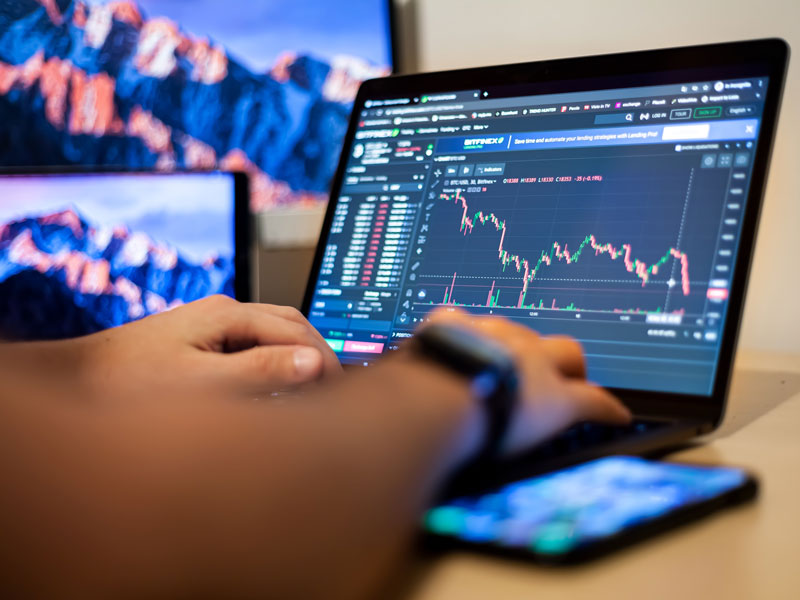
In the rapidly evolving world of finance, the trading platform for forex tradingarea-ng.com landscape for forex trading stands out as one of the most dynamic and lucrative arenas for investors. Forex, or foreign exchange, involves the trading of currencies and is known for its high liquidity and continuous operation around the clock. However, to engage effectively in forex trading, one must first navigate the wide selection of trading platforms available in the market. This article aims to provide a comprehensive guide to choosing the best trading platform for your forex trading needs.
Forex trading involves the exchange of one currency for another with the aim of making a profit based on the fluctuations in currency value. Unlike traditional stock markets, forex trading occurs in a decentralized market where currency pairs are traded. This unique structure necessitates the use of a trading platform, which acts as a gateway for executing trades and managing investments.
When selecting a trading platform for forex, there are several key features and attributes to consider:
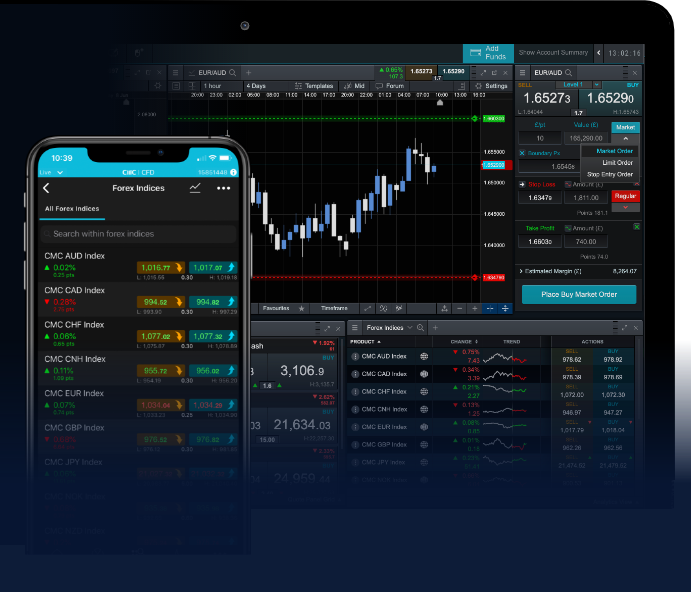
An intuitive and easy-to-navigate interface enhances the trading experience significantly. A cluttered or complicated platform can lead to mistakes and missed opportunities. Look for platforms that provide customizable layouts and clear visual representations of data.
A robust trading platform should offer a variety of tools such as technical analysis indicators, charting tools, and historical data analysis. These resources help traders make informed decisions. Additionally, educational resources like webinars, tutorials, and demo accounts are essential for both novice and experienced traders.
In forex trading, timing is crucial. Therefore, the execution speed of trades should be as fast as possible to enable traders to capitalize on market movements. Platforms with advanced technology that minimizes latency or slippage will provide a significant advantage.
Forex trading typically involves leveraged trading, allowing traders to control larger positions with a smaller amount of capital. Understanding the leverage and margin requirements of a platform can affect trading strategies and risk exposure. A reputable platform should provide clear information on these aspects.
Ensure that the trading platform is regulated by financial authorities in recognized jurisdictions. Regulation helps verify the platform’s legitimacy and ensures that your funds are safe. Look for licenses from recognized bodies such as the Financial Conduct Authority (FCA) or the Commodity Futures Trading Commission (CFTC).
In the fast-paced world of forex trading, timely assistance can save you from significant losses. Opt for platforms that offer responsive customer support through multiple channels, such as phone, chat, and email. Support should be available in a variety of languages to accommodate a global clientele.
With the rise of mobile technology, having a platform that supports mobile trading is crucial. A good forex trading platform should offer a mobile app that provides full access to trading functions, market analysis, and real-time notifications.
Forex trading platforms come in various forms, catering to different trading styles and preferences:
These platforms are accessible via any web browser and do not require downloads. They offer flexibility and convenience, allowing traders to access their accounts from anywhere with an internet connection.
Desktop applications provide a comprehensive trading experience with advanced tools and features. These platforms are ideal for serious traders who prefer an extensive range of functionalities and analysis tools.
Mobile trading apps are designed for traders on the go. While they may have fewer features than their desktop counterparts, they allow for quick trading decisions and monitoring of accounts from anywhere.
Several platforms stand out in the crowded forex trading market:
MetaTrader is one of the most widely used trading platforms globally. MetaTrader 4 (MT4) is popular among retail traders for its user-friendly interface and advanced charting capabilities, while MetaTrader 5 (MT5) offers additional features such as more timeframes, technical indicators, and improved market analysis tools.
cTrader is well-known for its intuitive interface, advanced trading tools, and fast execution speeds. Ideal for algorithmic trading, cTrader provides a rich environment for traders who use automated systems.
NinjaTrader is tailored for active traders and futures trading. It provides extensive charting tools, market analysis, and risk management features, making it suitable for traders serious about strategy development.
Ultimately, the best forex trading platform will depend on your trading style, preferences, and experience level. It’s essential to evaluate platforms based on your specific needs while considering the features outlined above. Take advantage of free trials or demo accounts to test platforms thoroughly before making a commitment.
A well-chosen trading platform can significantly enhance your forex trading experience by providing you with the necessary tools, resources, and support to succeed. As you embark on your forex trading journey, prioritize features that align with your trading strategies and risk tolerance. With the right trading platform, you’re better positioned to navigate the complex world of forex trading and achieve your financial goals.




















Share on: