In the fast-paced world of forex trading, many new traders often wonder where to begin. One effective way to gain that valuable experience and confidence is through demo trading. A demo account allows traders to practice their skills in a risk-free environment without the fear of losing real money. For those just starting or looking to refine their strategies, demo trading is an invaluable tool. If you’re interested in starting your journey, consider checking out demo trading forex Trading Broker KW for a reliable platform.
What is Demo Trading?
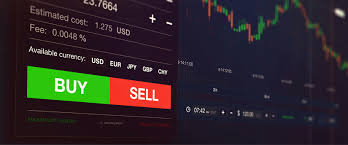
Demo trading involves using a simulated trading environment offered by forex brokers. Traders can access real-time quotes, execute trades, and practice various strategies without putting their financial resources on the line. These demo accounts are typically funded with “virtual” money, allowing users to gain experience similar to actual trading.
The Importance of Demo Trading
Demo trading plays a crucial role in developing a trader’s skills and understanding of market dynamics. Here are some reasons why it is essential:
Risk-Free Environment: Since no real money is at stake, traders can explore different strategies and trading styles without the fear of incurring losses.
Familiarization with Trading Platforms: New traders can learn how to navigate the trading platform, understand how to place orders, and manage their positions.
Testing Strategies: Traders can experiment with various strategies to identify which works best for their trading style without risking real capital.
Development of Emotional Discipline: Trading psychology is crucial. Taking trades in a demo account can help traders manage emotions like fear and greed.
How to Get Started with Demo Trading
Getting started with demo trading is straightforward. Follow these steps to begin your journey:
Choose a Reputable Broker: It’s essential to select a reliable broker. Look for one that offers a user-friendly platform and good educational tools.
Create a Demo Account: Fill out the broker’s registration form to create your demo account. Most brokers require minimal personal information.
Download the Trading Platform: After registering, download the trading software or access the web platform to start trading.
Start Trading: Use the demo account to familiarize yourself with trading features and test different trading strategies.
Common Mistakes to Avoid in Demo Trading
While demo trading offers a great opportunity to practice, traders often make common mistakes that can hinder their learning process. Here are a few pitfalls to avoid:
Treating it Like a Game: Some traders approach demo trading with a casual attitude, leading to habits that don’t translate to real trading situations.
Overleveraging: Demo accounts may give the illusion of limitless capital. Traders might overleverage their positions, leading to unrealistic expectations in live trading.
Lack of a Trading Plan: Without a clear strategy or plan, traders may randomly enter and exit trades, which can lead to confusion and poor decision-making.
Transitioning from Demo to Live Trading
Once you feel comfortable with your trading skills and strategies in a demo environment, it may be time to transition to live trading. However, this process should be undertaken with caution and preparation.
Here are some tips for making the transition effectively:
Start Small: When transitioning to live trading, begin with a smaller investment to minimize risks.
Stick to Your Plan: Maintain the discipline you practiced in demo trading. Follow your trading plan and strategy.
Manage Your Emotions: Emotions can run high when dealing with real money. Practice emotional discipline to avoid hasty decisions.
Continue Learning: The market is always changing. Stay informed and continue to develop your skills to adapt to new market conditions.
Benefits of Demo Trading for Experienced Traders
While demo trading is primarily associated with beginners, experienced traders can also benefit significantly from it. Here’s how:
Testing New Strategies: Experienced traders can utilize demo accounts to trial new strategies without financial risk.
Market Testing: Traders can test their systems and strategies against live market conditions, allowing them to tweak their approaches for optimal performance.
Platform Familiarization: Trying out new trading platforms using demo accounts can help experienced traders uncover new functionalities and tools.
Conclusion
In conclusion, demo trading is an essential step in the journey of becoming a successful forex trader. It provides the perfect learning environment, allowing traders to practice without the financial pressures of real trading. By understanding the core principles of demo trading, avoiding common mistakes, and transitioning carefully to live trading, traders can enhance their skills and increase their chances of success in the forex market. Whether you’re a beginner or an experienced trader, incorporating demo trading into your routine is a smart move. Take advantage of platforms like Trading Broker KW to deepen your understanding and skills in forex trading.























Share on: