
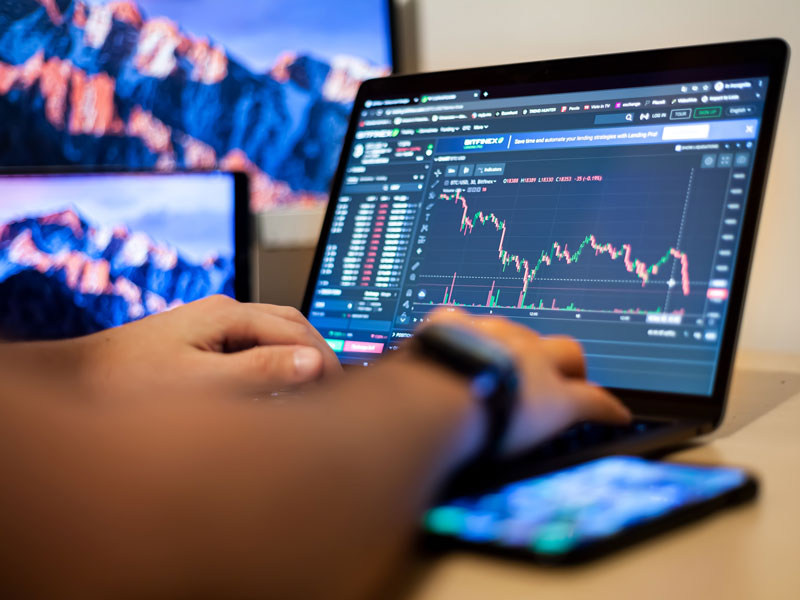
Automated trading in forex has transformed the way traders engage with the currency markets. With advancements in technology and the rise of algorithmic trading strategies, forex traders now have powerful tools at their disposal to analyze market trends and execute trades with minimal human intervention. automated trading forex Online Trading CM offers various resources to help you understand and navigate this complex landscape.
Automated trading, also known as algorithmic trading or black-box trading, involves using computer algorithms to place trades based on predefined criteria. This process allows traders to execute trades at speeds and frequencies that are beyond human capabilities. Automated trading systems analyze vast amounts of data to identify trading opportunities and make decisions without the influence of emotional factors, thus potentially increasing profitability.
1. **Speed and Efficiency**: Automated trading systems can process complex mathematical calculations and execute orders in milliseconds, allowing traders to capitalize on fleeting market opportunities.
2. **Consistency and Discipline**: Algorithms adhere strictly to trading strategies without being influenced by emotions or market noise. This helps traders maintain discipline and avoid the pitfalls of emotional trading.
3. **Backtesting Capabilities**: Traders can test their strategies against historical data before deploying them in live markets, which can help refine and improve their approaches.
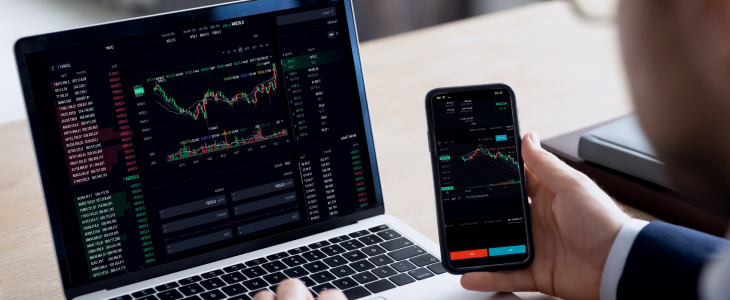
4. **Accessibility**: Automated trading systems have become increasingly accessible to retail traders, with various platforms offering user-friendly interfaces and tools to create and customize trading algorithms.
While automated trading offers numerous benefits, it also comes with its set of challenges. Understanding and addressing these challenges is crucial for successful implementation.
1. **Technical Issues**: Automated trading systems can be prone to malfunctions, software bugs, or connectivity issues, which can lead to significant losses if not managed properly.
2. **Market Conditions**: Algorithms are often based on historical data and may not adapt well to sudden market changes or news events, leading to unexpected losses.
3. **Over-Optimization**: Traders may fall into the trap of over-optimizing their strategies based on historical data, resulting in systems that perform poorly in live markets.
4. **High Competition**: The world of automated trading is highly competitive, with institutional traders and hedge funds using advanced algorithms. This can make it difficult for retail traders to achieve consistent profitability.
Creating a successful automated trading strategy involves several key steps:
Before developing an automated trading system, clarify your trading objectives, risk tolerance, and investment horizon. This will guide your strategy formulation.

Types of strategies include trend-following, mean reversion, arbitrage, and statistical analysis. Each strategy has its strengths and weaknesses and should align with your goals and market understanding.
Using programming languages like Python, R, or specialized trading platforms, develop your trading algorithm based on the chosen strategy. Ensure that it can handle various scenarios and risk management rules.
Testing the algorithm against historical market data is crucial. Analyze its performance metrics, such as drawdown, win-to-loss ratio, and overall profitability. Make adjustments as necessary to improve the system.
Once the algorithm is fully developed and tested, deploy it in a live trading environment. However, continuous monitoring is essential to ensure that it operates as intended and to make adjustments based on market changes or unexpected outcomes.
Automated trading in forex offers significant advantages for traders looking to improve their efficiency and decision-making processes. By leveraging algorithms to analyze market trends and execute trades, traders can potentially enhance their profitability while reducing the impact of emotions. However, understanding the challenges and complexities involved in automated trading is crucial for long-term success. With proper research, testing, and monitoring, traders can harness the power of automated trading and position themselves for success in the fast-paced world of forex.
The expansion of automated trading in forex signifies a profound shift in how trading is conducted. For traders willing to adapt and innovate, the opportunities are plentiful. However, it is equally vital to approach this arena with caution, proper education, and a robust strategy.



















Share on: