

As the gambling industry continues to evolve, Modular Blockchain Architecture for Gambling Apps Bitfortune com the integration of advanced technologies has become essential. One such technology that is disrupting the traditional framework of gambling is blockchain. Specifically, modular blockchain architecture offers promising enhancements in various aspects of gambling operations, from security to scalability. This article delves into the significant benefits modular blockchain architecture brings to the gambling sector and examines its potential to revolutionize how online gambling operates.
Before diving into its applications in gambling, it’s important to understand what modular blockchain architecture is. Unlike monolithic blockchains, which operate as a single, indivisible unit, modular blockchain architectures allow for the separation of different concerns or services within the blockchain ecosystem. This means that various functions such as consensus, data availability, and execution can occur independently yet collaboratively. By leveraging such architecture, developers can create specialized blockchain solutions tailored for specific applications.
The gambling industry has unique demands that require specific solutions to enhance user experience, security, and regulatory compliance. Here are key aspects where modular blockchain architecture can make a significant impact:
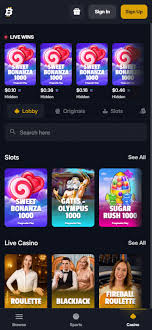
Gambling platforms handle significant financial transactions, making them prime targets for cyber-attacks. Modular blockchain architecture enhances security through decentralization, ensuring that no single point of failure exists. Additionally, specific modules can be designed to address security concerns, employing cryptographic techniques that protect user data and transaction integrity. This multi-layered security approach instills confidence in users, encouraging them to participate more actively in online gambling.
As the number of users continues to grow, scalability becomes a critical concern for gambling platforms. Traditional blockchains can struggle to handle high volumes of transactions, often leading to delays and increased costs. Modular architecture enables platforms to scale specific modules based on need—allowing transaction processing to grow independently of other functions. This means that as the user base expands, the gambling platform can manage increased loads efficiently without compromising on performance.
The gambling industry is tightly regulated, with varying laws across different jurisdictions. Modular blockchains can incorporate compliance modules that are adaptable to local regulations, allowing platforms to easily modify their operations based on the region or market. This flexibility not only expedites the process of compliance but also mitigates the risk of legal issues due to oversight or non-compliance.
User experience is paramount in the gambling industry. Modular architecture allows for the seamless addition of features such as live betting, in-game analytics, and enhanced transaction options. By focusing on specific user functions, developers can innovate rapidly and introduce user-friendly interfaces without overhauling the entire system. This leads to a more engaging and satisfying gambling experience.

In a market where trust is critical, modular blockchain architecture can enhance transparency by enabling users to verify transactions autonomously. Publicly accessible ledgers provide users with audit trails, allowing them to see the exact flow of funds. This level of transparency builds trust between gambling platforms and their users, which is vital for customer retention and loyalty.
While modular blockchain architecture offers numerous advantages, it is not without challenges. Interoperability between different blockchain modules is crucial. If modules cannot communicate effectively, it could lead to inefficiencies. Additionally, while modular architecture allows for flexibility, this also opens up avenues for increased complexity in system design, which could require specialized knowledge for development and maintenance.
Several gambling platforms have started exploring modular blockchain architecture to enhance their operations. For instance, platforms like FunFair Technologies have pioneered the use of blockchain in gaming, focusing on transparency and user experience. By implementing modular solutions, they are able to rapidly iterate on features while maintaining security and compliance with local laws.
As the gambling industry continues to integrate blockchain technology, modular blockchain architecture represents a significant advancement. It offers solutions that align with the demands for security, scalability, regulatory compliance, and user engagement. As more platforms adopt this architecture, we will likely see new business models emerging, providing players with richer and more dynamic gambling experiences.
In conclusion, modular blockchain architecture has the potential to transform the gambling industry profoundly. By addressing key pain points such as security, scalability, and compliance, this innovation paves the way for a modern gambling landscape that prioritizes user experience and trust. As technology advances, the synergy between blockchain and gambling will only grow, signaling a new era for the industry. Stakeholders should consider adopting modular approaches as a vital step toward creating sustainable and user-centric gambling environments.
Share on: